
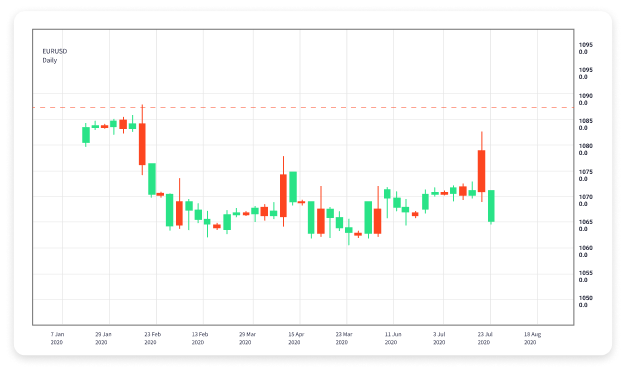
Islamic Forex trading adheres to the principles of Sharia law, ensuring that all trading activities meet ethical standards. If you’re looking to engage in Forex trading while respecting Islamic principles, it’s essential to understand the various rules and practices involved in this unique market. For more insights and resources, check out islamic forex trading https://tradingarea-ng.com/.
What is Islamic Forex Trading?
Islamic Forex trading refers to the practice of trading currencies in a manner that complies with Islamic law (Sharia). In essence, it promotes fairness, transparency, and ethical conduct in all financial transactions. The emergence of Islamic finance has led to the development of various financial products and services that operate under the guidelines laid out in the Quran and Hadith.
The Foundation of Islamic Finance
Islamic finance is grounded in several key principles:
- Prohibition of Riba (Usury): Any form of interest is strictly forbidden in Islam. This means that any trading setup that involves interest payments or charges would not be permissible.
- Gharar (Uncertainty): Transactions should not involve excessive uncertainty or ambiguity. Traders are encouraged to engage in transparent dealings where all terms are clear and well-defined.
- Ethical Investments: Investments should be made in businesses that are moral and promote the welfare of society. As such, traders must avoid investing in companies involved with alcohol, gambling, or other prohibited activities.
- Profit and Loss Sharing: In Islamic finance, risk-sharing arrangements are encouraged. This fosters a sense of partnership and collective responsibility in business ventures.
Islamic Forex Accounts
Many Forex brokers offer Islamic trading accounts, often referred to as “swap-free accounts.” These accounts are designed to cater to Muslim traders who wish to avoid paying or receiving interest. A few key features of Islamic Forex accounts include:
- No Swap Charges: Islamic accounts do not incur swap fees, which are typically charged for holding positions overnight. Instead, some brokers may charge a small fixed fee for overnight positions.
- Adherence to Islamic Guidelines: Brokers ensure that the trading environment remains compliant with Sharia, promoting ethical behavior and responsible investment strategies.
- Transparency: Islamic accounts often provide clear information regarding costs, trading conditions, and potential risks, ensuring traders can make informed decisions.
Trading Strategies in Islamic Forex Trading
While the foundational principles remain the same, Islamic Forex trading may require specific strategies to adhere to Sharia compliance. Some potential strategies include:
1. Day Trading
Day trading involves opening and closing positions within the same trading day. This strategy minimizes overnight exposure and, thus, the risk of incurring swap charges. It allows traders to capitalize on intraday price movements while ensuring compliance with Islamic principles.
2. Scalping
Scalping entails making rapid trades to profit from small price fluctuations. Given that these trades are completed quickly, scalping can effectively avoid overnight positions and adhere to Islamic finance requirements.

3. Position Trading
Position trading involves holding a trade over an extended period. While this can sometimes lead to overnight swap charges, traders can mitigate this by using swap-free accounts. Additionally, this approach necessitates diligent market analysis and risk management to ensure compliance with ethical guidelines.
Risk Management in Islamic Forex Trading
Risk management is crucial in any trading activity, more so in the context of Islamic Forex trading. Some effective risk management strategies include:
- Diversification: Spreading investments across different currency pairs can help mitigate risk and enhance overall portfolio performance.
- Using Stop Loss Orders: Placing stop loss orders can help limit potential losses, protecting capital while maintaining compliance with ethical guidelines.
- Continuous Learning: Educating oneself about market trends, technical analysis, and economic indicators is vital for successful trading and adherence to Islamic principles.
Choosing the Right Forex Broker
Selecting a reliable and compliant Forex broker is essential for Muslim traders. Here are some factors to consider:
- Regulation: Ensure the broker is regulated by a reputable financial authority to guarantee the protection of funds and adherence to ethical trading practices.
- Islamic Account Availability: Confirm that the broker offers a swap-free account option tailored to Muslim traders.
- Trading Conditions: Evaluate the spreads, execution speed, and overall trading environment to ensure it aligns with your trading needs.
Challenges Faced by Muslim Forex Traders
While Islamic Forex trading has its advantages, some challenges may also arise. These include:
- Limited Broker Options: Not all Forex brokers provide Islamic accounts, limiting choices for Muslim traders.
- Misinterpretation of Sharia: Different scholars may have varying interpretations of what constitutes Sharia compliance, leading to confusion among traders.
- Market Volatility: The Forex market can be unpredictable, and successful trading often relies on skill and experience, which can be challenging for novice traders.
The Future of Islamic Forex Trading
As the demand for ethical and Sharia-compliant financial products increases, several trends may shape the future of Islamic Forex trading:
- Technological Advancements: The integration of advanced trading platforms and tools can enhance trading efficiency and accessibility for Islamic traders.
- Growing Awareness: As more Muslims become aware of their options for compliant trading, the market for Islamic Forex products is likely to expand.
- Increased Regulation: Regulatory bodies may develop clearer guidelines for Islamic financial products, fostering a more robust trading environment for Muslim traders.
Conclusion
Islamic Forex trading offers a unique opportunity for Muslim traders to engage in the financial markets while adhering to the principles of Sharia law. By understanding the foundational principles of Islamic finance, utilizing appropriate trading strategies, and selecting a suitable broker, traders can navigate the Forex market ethically and successfully. As the landscape of Islamic finance evolves, it promises to provide further avenues for responsible and compliant trading.