
Forex trading involves the buying and selling of currencies in the foreign exchange market. At the heart of forex trading is the concept of leverage, which allows traders to control a larger position than they might be able to with their own capital alone. This can amplify both potential profits and potential losses. Understanding leverage is crucial for anyone looking to trade effectively in the forex market. For professional guidance, check out forex trading what is leverage Trading Brokers in Bangladesh.
What is Leverage in Forex Trading?
Leverage refers to the use of borrowed funds to increase one’s trading position beyond what would be available from their cash balance alone. In forex trading, leverage is utilized to maximize the potential return on investment. Traders are able to control a significant position size with a relatively small amount of investment capital.
How Leverage Works
In practical terms, leverage is expressed as a ratio. For example, a leverage ratio of 100:1 means that for every dollar in your trading account, you can control up to $100 in the market. This is achieved by borrowing the additional funds from a broker. If a trader has $1,000 and utilizes a leverage of 100:1, they can control a position worth $100,000.
However, while leverage can magnify profits, it can also magnify losses. It is essential for traders to understand how leverage affects their trades. If the market moves against their position, losses can accumulate rapidly, sometimes exceeding the initial deposit.
Advantages of Using Leverage
1. **Increased Market Exposure**: Leverage allows traders to gain exposure to larger positions without needing to invest a significant amount of their own capital.
2. **Potential for Higher Returns**: Because traders can control larger amounts of money, they have the potential to make larger profits, even from small market movements.
3. **Diversification**: With leverage, traders can spread their investment across multiple positions, diversifying their portfolio and reducing risk.
Disadvantages of Leverage
1. **Increased Risk**: While leverage can magnify profits, it can also magnify losses, increasing the risk of losing your entire investment.
2. **Margin Calls**: If a trader’s account equity falls below a certain level, they may receive a margin call from their broker, requiring them to deposit additional funds to maintain their positions.
3. **Emotional Pressure**: The high stakes associated with leveraged trading can lead to stress and emotional decision-making, which can adversely affect trading outcomes.

How to Use Leverage Wisely
1. **Understand Your Risk Tolerance**: Before trading with leverage, it is crucial to evaluate your risk tolerance and set parameters for how much you are willing to risk. A common rule of thumb is to risk no more than 1-2% of your trading capital on a single trade.
2. **Start with Lower Leverage**: If you are new to forex trading, it may be advisable to start with lower leverage ratios (such as 10:1 or 50:1) to gain experience before moving to higher leverage levels.
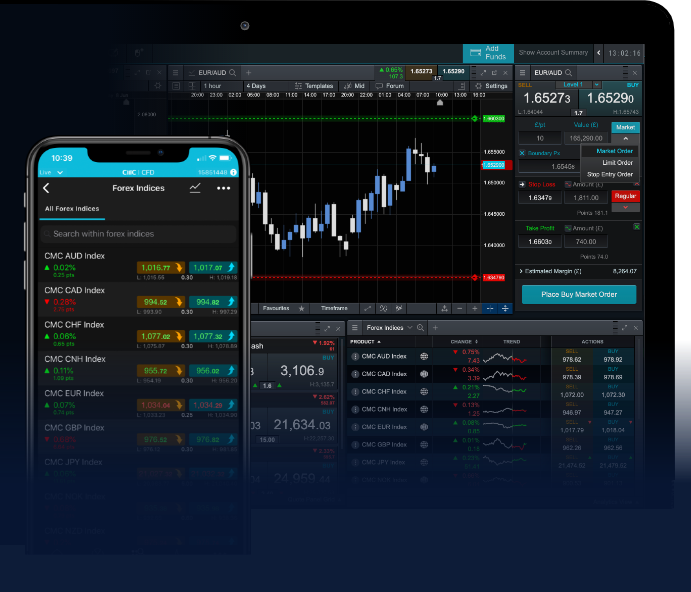
3. **Use Stop-Loss Orders**: Implementing stop-loss orders can help protect your capital by automatically closing a trade when it reaches a predefined loss level, preventing further losses.
4. **Continuously Educate Yourself**: Forex markets are dynamic, and strategies that work well at one time may not be effective in the future. Continual learning and adaptation are vital for long-term success in trading.
Conclusion
Leverage can be a powerful tool in forex trading, but it must be used with caution. By understanding how leverage works, its advantages and disadvantages, and implementing sound trading strategies, traders can make informed decisions that align with their financial goals. Remember that while the potential rewards can be significant, the risks are equally substantial. Knowledge and discipline are key components of successful forex trading. Always consider seeking advice from reputable trading platforms like Trading Brokers in Bangladesh for tailored guidance suited to your trading journey.