
The relatively poor efficacy of combined treatment in this trial suggests a clear need for additional work using alternative treatment methods. Taken together, these findings suggest that using alcohol and cannabis to cope with social anxiety increases the risk for elevated substance use and negative alcohol-related consequences among young adults and consequently a cycle of drinking to ameliorate the negative effects of alcohol misuse. The perceived positive effects, such as forgetting about one’s worries or feeling more sociable, ultimately may lead to continued substance use as a coping strategy and, in turn, increase the risk of future adverse consequences such as alcohol use disorder.
Alcohol, Anxiety, and Depressive Disorders
- In 2006, he received the Outstanding Mentor Award from the Association for Behavioral and Cognitive Therapies.
- We tend to pair up our vices, and not only drink alcohol but also eat highly dense, problematic foods.
- Alcohol is a mild anesthesia and will put you in the mood for sleep — at least initially.
- In addition, Brady 2005 employed the Impact of Event Scale (IES) (Horowitz 1979), and the Civilian Mississippi Scales for PTSD (MISS) (Keane 1988).
One group of researchers has recently examined the notion that MI techniques may increase motivation for engaging in CBT for anxiety disorders. Case studies suggest that the addition of MI to CBT for anxiety disorders may increase treatment adherence and enhance outcome (Westra, 2004; Westra & Phoenix, 2003). In a recent controlled study (Westra & Dozois, 2006), patients with anxiety disorders (including SAD) either received pretreatment with MI techniques or no pretreatment before beginning a course of CBT. Although both groups showed significant benefit, patients receiving the MI pretreatment rated themselves as more compliant with homework assignments and were more likely to be classified as responders on the primary outcome measures. These data clearly suggest that MET may be efficaciously combined with CBT in clinical settings, but this logical combination has yet to be applied to SAD with comorbid AUD.
Anxiety and Alcohol: Does Drinking Worsen Symptoms?
This is good news, because most people with anxiety disorders do not report drinking to cope with their symptoms, but it also raises questions. For example, why do some people with anxiety problems drink to cope and others do not? Also, if this population has no increased risk for AUD, how is that consistent with the shared neurobiology thesis? Perhaps currently unknown factors—cultural, psychological, or biological—protect these biologically vulnerable individuals by discouraging drinking to cope.
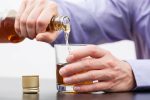
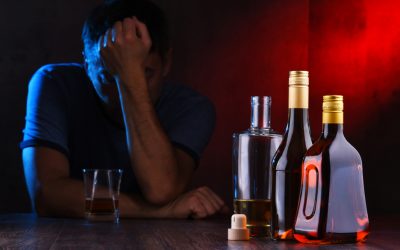
In the short term, drinking makes it seem like social inhibitions are lowering and worries are fading away. But this calming effect is short-lived—and misleading—because alcohol makes anxiety worse down the line. We explore the self-perpetuating relationship between alcohol and anxiety, and provide insights and resources to help you manage both. Join our global mission of connecting patients with addiction and mental health treatment. If you take medication for anxiety, or you take anti-inflammatory drugs or narcotics, drinking can cause problems with anxiety.
Brady 2005 initiated treatment of civilian PTSD with 50 mg/day of sertraline (49 participants) or placebo (45 participants), increasing doses incrementally by 50 mg to a target of 150 mg/day by the third week of the 12‐week intervention. Petrakis 2012 randomly allocated participants diagnosed with PTSD to one of four intervention groups, constructed by combining treatment with the TCA desipramine or the SSRI paroxetine with either naltrexone or placebo. These groups were desipramine/placebo (24 participants), paroxetine/placebo (20 participants), desipramine/naltrexone (22 participants) and paroxetine/naltrexone (22 participants).
Selection of studies
We do not and have never accepted fees for referring someone to a particular center. Providers who advertise with us must be verified by our Research Team and we clearly mark their status does alcohol give you anxiety as advertisers. Your treatment team might also recommend medications like buspirone or hydroxyzine to address anxiety and potentially decrease alcohol use as a coping mechanism. The connection between alcohol and anxiety goes deeper than the temporary stress relief you feel after a few drinks. Researched, fact-checked and transparent articles and guides that offer addiction and mental health insight from experts and treatment professionals.
This is in line with evidence that ME methods are more robust to bias than LOCF analyses (Verbeke 2000). Alcohol has an effect on brain chemistry – it can induce panic because of its effects on GABA, a chemical in the brain that normally has a relaxing effect. Small amounts of alcohol can stimulate GABA and cause feelings of relaxation, but heavy drinking can deplete GABA, causing increased tension and feelings of panic.17,18 Panic attacks can occur due to alcohol withdrawal. People with AUD have a heightened risk for depressive disorders, which are the most common co-occurring psychiatric disorders for https://ecosoberhouse.com/ this population. AUD and depressive disorders appear to share some behavioral, genetic, and environmental risk factors, yet these shared risks remain poorly understood.
- Carli Sager had no known conflicts of interest while retrieving studies for inclusion in this review.
- We will obtain the summary statistics required to derive the SE of interest from the trial report.
- It also is notable that the optimal sequence and timing of treatments remain undetermined even after decades of scientific inquiry.
- These lifestyle changes include getting regular exercise, nourishing your body with a nutrient-dense, anti-inflammatory diet, and improving your sleep hygiene.
- Where multiple instruments were employed to assess anxiety disorder symptom severity, we gave preference to gold‐standard clinician‐rated instruments, including the LSAS for Social Anxiety Disorder, CAPS for PTSD, HAM‐A for GAD, and PDSS for PD.
- It was not possible to tell whether medication was effective in treating people with anxiety and alcohol use disorders.
Plus, take note of how your mood is each day — if you’re feeling extra on edge already, try and go against the temptation of remedying that with alcohol. Healthier (and more effective) alternatives to alcohol for anxiety relief include practicing relaxation techniques, engaging in regular exercise, Substance abuse maintaining a balanced diet, getting enough sleep, and seeking support from a therapist or support group. Anxiety, on the other hand, is more of an internal response, characterized by persistent, excessive, and often irrational worry about everyday situations. It can be long-lasting and might not be linked to any specific trigger, making it harder to manage. While stress is a reaction to a current threat, anxiety is more about the anticipation of future threats, often leading to physical symptoms like heart palpitations, trembling, and fatigue, reflecting the body’s preparedness for these perceived future challenges.
How Alcohol Affects Anxiety
He reported a history of alcoholism on his mother’s side of the family that he attributed to self-medication of anxiety reactions. He also stated that his paternal grandfather died of alcohol-related health problems. Additional potential sources of bias in this review included the assessment of the effect of medication on alcohol use using the TLFB, a subject‐rated measure of alcohol use that may be susceptible to multiple forms of bias, such as recall and social desirability bias. Bias may also have been introduced through pre‐screening of the electronic database search results by a single review author (JI) as part of the trial identification process, prior to the independent application of the full set of inclusion criteria. Finally, the decision to classify the medications by medication class in a post‐hoc fashion, while in keeping with the recommended grouping, based on mechanism of action, of these drugs by the CCDAN review group, could potentially have introduced bias in interpretation of these results.
Habits for Proper Mental Health
The majority of the data for the efficacy and tolerability of medication were for SSRIs; there were insufficient data to establish differences in treatment efficacy between medication classes or patient subgroups. There was a small amount of very low quality evidence that medication was well tolerated. All true RCTs of pharmacotherapy for treating anxiety disorders with comorbid alcohol use disorders.
Alcohol, Depression, and Anxiety
We will minimize potential bias resulting from inclusion of dose comparison studies in future versions of this review by pooling the means and SDs across all of the treatment arms as a function of the number of participants in each arm. We will restrict the pooling of outcome data to those arms that employ at least the minimum dose recommended by clinical guidelines. We will circumvent unit‐of‐analysis bias resulting from the simultaneous comparison of multiple arms from the same trial in future updates of this review by means of a multiple‐treatments meta‐analysis (MTM) (Lumley 2002). An MTM allows the assessment of treatment efficacy through the combination of both direct and indirect comparisons of all interventions on a specific outcome. Potential unit‐of‐analysis bias can be subsequently assessed in a sensitivity analysis in which the results obtained are compared with those from a meta‐analysis restricted to data from direct comparisons of interventions. We included people diagnosed with alcohol dependence or abuse and an anxiety disorder according to DSM‐III (APA 1980), DSM‐IV (APA 1994), or DSM‐IV‐TR (APA 2000) criteria.